


Every June, Pride Month invites us to celebrate how far we have come. But it is also a time to remember why Pride began and why it remains necessary.
In many parts of the world, LGBTQ people enjoy freedoms and protections that previous generations could scarcely imagine. Same-sex marriage is legal in dozens of countries. LGBTQ conversion practices are increasingly being recognised as harmful and made illegal. More LGBTQ people than ever are living openly and authentically.
Yet Pride Month is not simply about celebrating progress. It is also about recognising the challenges that remain.
While some question whether Pride is still necessary, the reality is that more than 60 countries continue to criminalise homosexuality and 12 retain laws that allow the death penalty for same-sex relations. In many parts of the world, LGBTQ people still live under the threat of persecution simply for being themselves. Pride remains a reminder that freedom, equality, and human dignity cannot be taken for granted.
In recent years, we have also witnessed a disturbing rise in anti-LGBTQ rhetoric and legislation. Transgender and gender-diverse people have become particular targets of political and cultural campaigns. Hard-won rights are being challenged, and in some places, rolled back.
As I said in the ABC Compass program, Reclaiming Pride, “the price of freedom is eternal vigilance”
Australia has made significant advances, but our work is far from complete.
Despite repeated promises, Tasmania and Western Australia have yet to enact legislation banning so-called conversion “therapy”. Survivors continue to live with the long-term impacts of these harmful practices, while some religious organisations and communities still promote messages that encourage change or suppression rather than self-acceptance.
Many LGBTQ people continue to experience rejection from family, faith communities, schools, workplaces, and society. Young people are still hearing messages that there may be something wrong with them. For those raised in conservative religious environments, the conflict between faith, sexuality, and gender identity can be particularly painful.
Pride Month reminds us that visibility matters. Representation matters. Safe communities matter. Laws matter. But perhaps most importantly, self-acceptance matters.
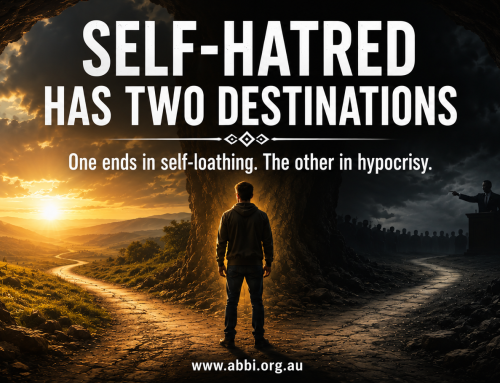
For many LGBTQ people, the greatest struggle has not been changing society. It has been learning to accept themselves after years of shame, fear, secrecy, and self-rejection.
That is why Pride remains relevant.
In the recent ABC Compass program, Reclaiming Pride, I said, “When people say they don’t get Gay Pride, it’s because they have never experienced gay shame”, which resonated with many.
Despite the challenges, Pride is also a time of joy. It is a time to reconnect with community, celebrate our diversity, honour those who came before us, and encourage those who are still finding their way.
Every year, as I look around at the incredible resilience, courage, creativity, and compassion within our community, I often say, “God, I love my tribe.”
And I do.
Not because we are perfect, but because we have learned how to survive, support one another, and keep moving forward despite everything that has been thrown at us.
That spirit is worth celebrating.
Something important to remember is:
“When you hear of Gay Pride, remember, it was not born out of a need to celebrate being gay.
It evolved out of our struggle as human beings to break free of oppression and to exist without being criminalised, pathologised or persecuted for being who we are.
Depending on several factors, particularly religion, freeing ourselves from gay shame and coming to self-love and acceptance, can not only be an agonising journey, it can also take years. Tragically, some never make it.
If you are wondering why there isn’t a straight pride, be grateful you have never needed one.”
This Pride Month, let us celebrate the progress that has been made while recognising the work that remains. Let us stand with those who are still fighting for their rights, dignity, and safety. Let us support those navigating the difficult journey from shame to self-acceptance.
And let us never forget that Pride is not simply a celebration of identity.
It is a celebration of freedom, authenticity, and what becomes possible when people are finally, courageously, free to be themselves.




Leave A Comment