


Where are you on the journey?
- Unconscious of sexual identity–I don’t know I’m gay, straight or anything. I’m just a kid
- Awareness awakens
- Denial of the gay self
- Rejection of the gay self
- Suppression of the gay self
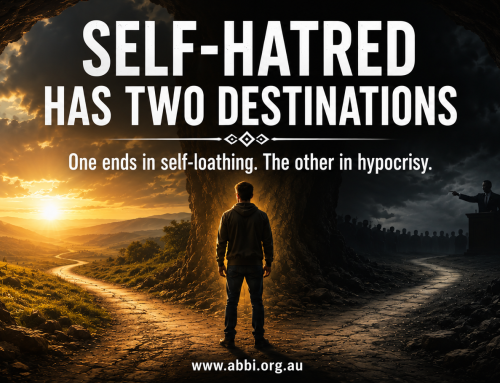
- Hatred of the gay self
- Acceptance of gay self.
- Celebration of the gay self
Depending on a number of factors, coming out and resolving our sexuality is rarely simple and often difficult. It is a process and a journey. There is no timetable either. I have worked with teens who have reached the last step of celebration and people in their 60s who have just arrived at stage 7.
Several factors can thwart the process or cause people to get stuck. They are family, geography, culture or religion. These additional influences, depending on how important they are in the individual’s life, can hold them back for years, even decades.
Where are you on the journey?
-
Unconscious of sexual identity–I don’t know I’m gay, straight or anything. I’m just a kid.
2. Awareness awakens–I’m different to the guys or girls around me. I’m thinking about and finding myself attracted to the same sex. Could I be gay?
Research shows that most people become aware of their sexual orientation around the ages of 13 to 14, coinciding with puberty. This timeline is understandable, given that sexual orientation is inherently tied to this developmental phase. For some individuals, there may be an initial awareness of their feelings before they have the vocabulary to describe it. Others may realise even earlier, often reflecting on past experiences where they were consistently drawn to the same gender—whether through attraction to characters in movies or an interest in same-gender bodies—rather than the opposite gender.
3. Denial of the gay self. I was drunk, I’m bisexual, I was just horny, I’m imagining things, I was just experimenting, or it’s just a phase.
Many of us have spent years grappling with our feelings, often convincing ourselves, “I’m not gay,” while creating a myriad of excuses to rationalize this denial. We attempt to suppress the truth of our sexuality, pushing the reality of our homosexuality out of our minds through self-deception.
4. Rejection of the gay self is the next phase.
This denial can feel like a battle against what we perceive as a “terrible curse” or “problem.” Many resort to “ex-gay” programs, counselling, therapy, or various mental strategies to suppress their true selves. We may find ourselves self-monitoring our voices, gestures, clothing choices, and social circles—anything that could hint at the identity we’re trying to reject.
5. Suppression of the gay self. I can control it, monitor it, it’s my secret, no one need know.
When we realise that denying it or rejecting it hasn’t worked, we try to suppress our homosexuality.
6. Hatred of the gay self. This thing is too strong for me, I hate my gayness. I hate myself.
This phase can be profoundly dark, often accompanied by depression, suicidal thoughts, and the emergence of other mental health challenges. The intensity of self-hatred can lead to deep self-loathing.
7. Acceptance of gay self.
While coming out and embracing our homosexuality is a wonderful step, some individuals, like I was for many years, may only arrive at a reluctant acceptance. I acknowledged my identity as gay, but due to many wonderful things I had in my “straight” life and the trauma I faced early on in my gay life, I often wished I could be “straight” instead.
This reluctance is more about tolerance than true acceptance; we tolerate our gay selves because we feel there’s no other option. Those who would prefer to be heterosexual struggle to fully embrace their true selves, missing out on the freedom that comes with genuine acceptance. They carry a subconscious belief that life is unfair, living with a sense of shame, and some even fear they will go to hell for having “given in” to their homosexuality.
8. Celebration of the gay self means I actually love being gay; all negative connotations of guilt and shame have been removed.
Not every gay man or lesbian has moved to this stage, but it is the beginning of living a life of authenticity and congruence. The person who celebrates and embraces their sexuality lives a powerful life. A life that no one can deny is founded on a wholesome and profound love of self.
Extract from Chapter 20 A Life of Unlearning – a preacher’s struggle with his homosexuality, church and faith
In this almost daydream state three simple statements came to me.
‘Tell your story’
‘Be completely honest’
‘It will help many people’
That was it. Clear and succinct. It felt like I’d just experienced a life-defining moment.
At the conclusion of the seminar, each participant was given the opportunity to share the significance of the week. Alone in my hotel room, further clarity came as I prepared my presentation of who I was and who I was to become.
In essence I am a good person. I have a strong sense of integrity, which gives me strength of character. After many years of being pressured to conform to what others would want me to be, I have developed an honesty and openness about what I feel and think. I confidently express my thoughts and emotions so that no one is ever left guessing or assuming what is in my head and heart.
In essence I am a person of power. This power is expressed in many ways. It is revealed in my relationships by my commitment to my family and friends. It is evident in the way I have cut through the waves on the sea of life. In essence I am completely comfortable with my sexuality. I am not an activist but comfortable to the point where I no longer fear people’s reaction to me being gay. So comfortable that if science developed a pill to make homosexual people heterosexual, I wouldn’t take it. If I believed in reincarnation and God sent me back as a homosexual, I would not be disappointed or feel ripped off. In fact, if I was given a choice I’d say, ‘Please, can I be gay again this time?’
I paused for a moment and looked at the words that were flowing so easily onto the page. My sexuality? Why was I writing about that? It wasn’t something I’d come all the way to the other side of the world to reflect on. Immediately I was reminded of the night in the Oxford Hotel when I’d envied the young gay man who had expressed a similar feeling. Occasionally I’d dreamed of feeling the same way but thought it impossible, and now it had come to pass. It was as if one chapter in my life had ended and now another was beginning. I continued writing …
If you read down this far, you must think this is important. Share this article with others using the social media buttons below. THANKS.




I am a 73yo gay man and I fell in platonic love with a 32yo Pakistani straight man.
He knows about me and showed acceptance since day 1. He stated he doesn’t want sex which I respected even if we hug sometimes.
He is one of those pure souls.
I spent a week with him since his wife came back to Australia.